When the Spindle Stops: Auditing a Machine Shop's Crisis Response Before You Need It
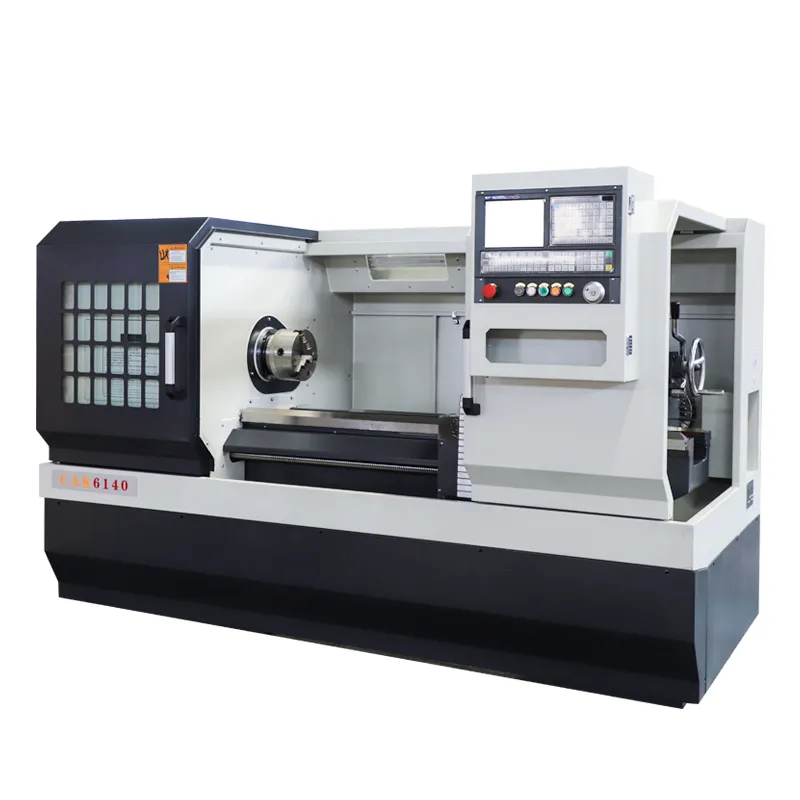
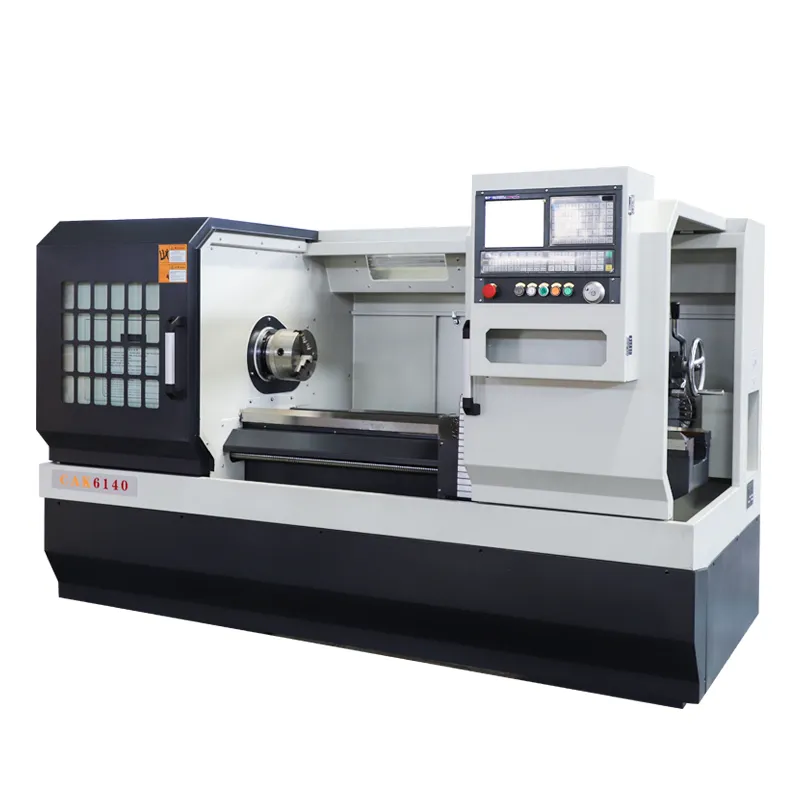
Photo: Zhejiang Balford Mechatronics Co., Ltd., CC BY-SA 4.0, via Wikimedia Commons
Most supplier scorecards in American manufacturing are built around the same comfortable metrics: on-time delivery percentage, first-pass yield, PPAP timeliness. All of them measure how a shop behaves when everything is going right. None of them measure what happens at 3 a.m. on a Tuesday, when a spindle bearing seizes mid-run on the order your assembly line is waiting for.
That's the gap this article addresses. If you want to know what a machining partner is actually worth, you need to understand their crisis behavior — and the only reliable way to evaluate it is before the crisis.
Why Fair-Weather Metrics Fail
On-time delivery statistics are backward-looking and self-reported. A shop can run at 98% for two years and still leave you stranded, because that 2% is precisely where your worst week lives. The question procurement should be asking is not "How often do things go wrong?" but "What happens next when they do?"
Crisis response is a capability, not a personality trait. Like any capability, it can be specified, audited, and written into a contract.
The Three Questions That Reveal Everything
Before awarding a multi-year machining agreement, put these to your candidate suppliers — and pay attention to how specifically they answer.
1. Who owns the problem after hours? A shop with a genuine escalation path can name the role: a shift supervisor with spending authority, a backup answering service, a defined call tree. A shop that answers "we'll figure it out" is telling you their emergency plan is improvisation.
2. What is your redundant tooling commitment? A spindle can be replaced in hours if a spare exists. Ask whether critical machine centers have backup capacity, whether fixturing for your part is duplicated, and whether programs and setups are stored off-machine. A shop that has pre-invested in redundancy for your work is a shop that planned for your emergency.
3. What is your communication SLA?" Not a fix SLA — a communication SLA. A realistic commitment might read: notification within one hour of a confirmed disruption, a recovery plan with a revised ship date within four hours, updates at fixed intervals until resolved. Vague reassurance during a sales call predicts vague silence during a breakdown.
Writing It Into the Contract
None of this survives contact with reality unless it's contractual. We recommend procurement teams specify three elements in any multi-year agreement:
- Escalation ladder. Named roles with authority levels, from shift lead through ownership, with response-time expectations attached to each tier.
- Recovery resource disclosure. A documented list of redundant equipment, alternate cell assignments, and qualified subcontract partners the shop may use for emergency recovery.
- Communication SLAs with teeth. Notification windows and update cadences, tied to a remedy — perhaps a fee adjustment or expedite credit — when missed.
These clauses cost nothing to a well-run shop and expose a poorly run one immediately. Their reaction to the clause is itself a data point.
A Low-Cost Field Test
You can also probe crisis readiness without a contract in hand. Send a non-urgent technical question to a prospective supplier on a Friday evening and note when a substantive answer arrives. Ask for a walkthrough of their last major disruption — a real shop will have one and can describe the timeline, the decisions, and the customer communication without embarrassment. Evasion on that question is more telling than any brochure.
The Partnership Standard
At Hongye Precision, we view after-hours responsiveness as the final exam of a machining relationship. Everything before it — the quoting, the first article, the steady-state deliveries — is coursework. The exam comes unannounced, in the middle of the night, on the order you can't afford to lose.
Supplier scorecards should measure those hours. Because the partnership you'll be grateful for isn't the one that never had a problem. It's the one that picked up the phone when it did.