Paper Partners: When Your Qualified Second Source Exists Only on a Spreadsheet
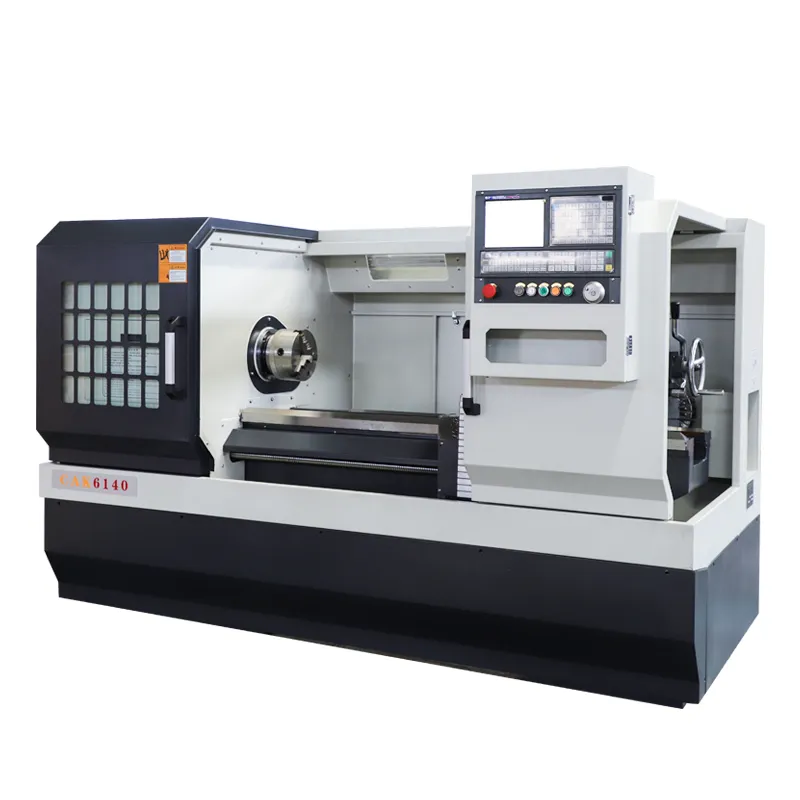
Photo: Zhejiang Balford Mechatronics Co., Ltd., CC BY-SA 4.0, via Wikimedia Commons
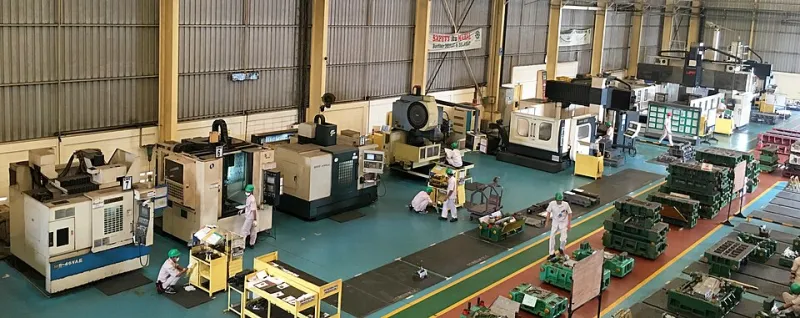
Every procurement manual worth its salt tells you the same thing: qualify two vendors for critical parts. It's a line item on the risk register, a bullet point in the annual supplier review, and — in most organizations — a fiction. The second source exists in the supplier master file, not on a shop floor.
Then the primary slips. A capacity crunch, a spindle failure, a quality escape that freezes the line. You turn to Vendor B with confidence, cut a purchase order, and wait. Six weeks later you're still waiting, because Vendor B has spent those six weeks doing what nobody paid them to do since the qualification run: remembering how to make your part.
The Decay Nobody Tracks
A second source doesn't fail loudly. It fails the way a gage block left on a windowsill fails — slowly, invisibly, and only when you need it most.
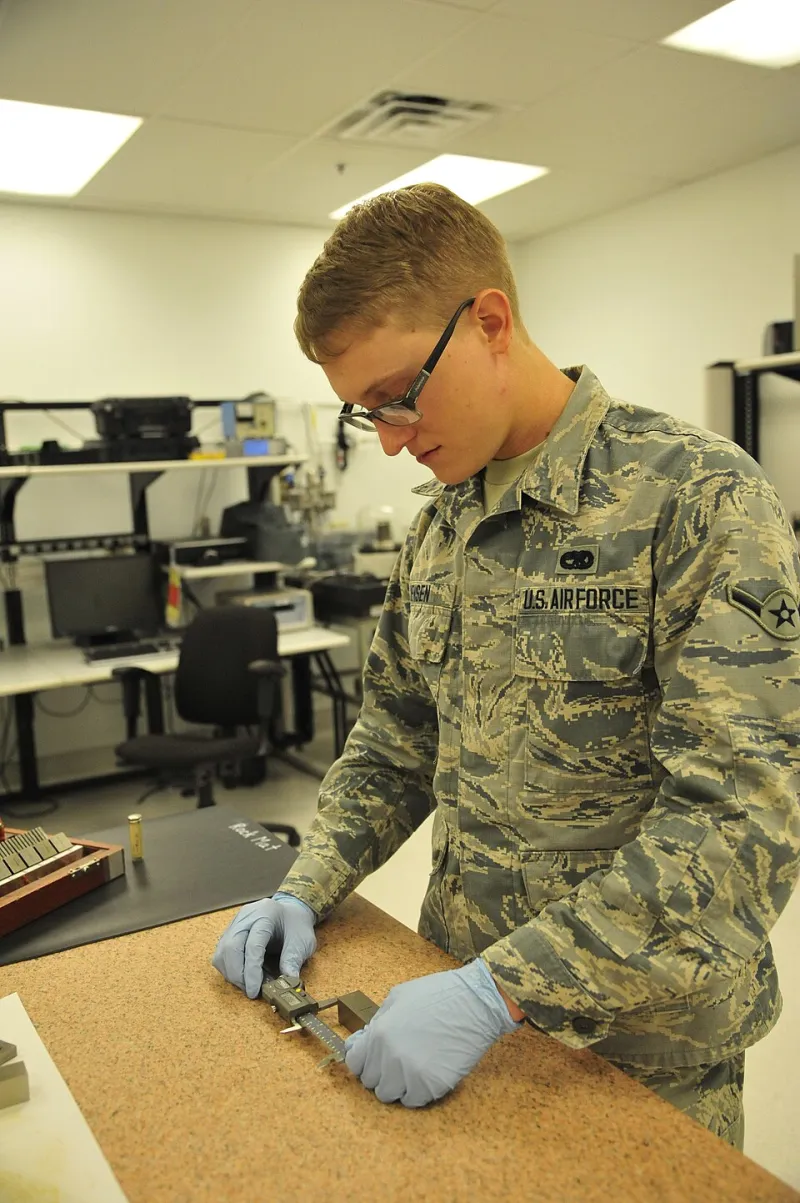
Consider what actually constitutes production readiness. Not a passed first article inspection eighteen months ago. Readiness means current CNC programs verified against the latest revision, tooling and fixtures that still exist (and still fit), material suppliers who can quote the alloy at today's volumes, and machinists who have touched the part recently enough that the process knowledge lives in heads rather than in a forgotten setup sheet.
Every one of those elements erodes. Programs get archived when servers migrate. Fixtures get cannibalized for other jobs — legally, since no PO is running. The engineer who ran your qualification leaves for a competitor in Grand Rapids or Rockford, and the tribal knowledge walks out with them. Vendor B never told you any of this, because nothing in your contract obligates them to maintain idle capability.
And why would they? You've given them no forecast, no minimum volume commitment, no funding. From their side of the table, your "qualified second source" is a shelf-weight SKU that consumes square footage.
The Teardown-and-Relearn Tax
When the dormant vendor finally gets the call, the costs arrive in a sequence nobody budgeted.
First comes the re-familiarization: pulling programs, locating or rebuilding fixtures, re-running first articles. This is non-recurring engineering you already paid once to the primary source, now paid again — often at a worse rate, because the backup lacks the primary's learning-curve advantage.
Then comes the quality ramp. Even with a clean FAI, early production lots from a cold vendor run higher scrap and slower cycle times. Your unit cost on the backup is frequently 30–50% above the primary's — for the first several lots, sometimes indefinitely. For a part running thousands of pieces a month, that delta can erase the entire theoretical benefit of dual sourcing within a quarter.
Finally, there's the lead-time illusion. Your risk model assumed Vendor B could deliver in the same window as Vendor A. In practice, a cold-start vendor needs four to eight weeks before the first good part ships — which may be longer than the disruption you were hedging against.
What a Real Second Source Costs
There's no free version of supply chain resilience. But there is a version that costs a fraction of splitting production volume, and it starts with being honest about what you're buying.
Split the volume deliberately, not ceremonially. The most reliable dual-source arrangement awards the backup a real share of ongoing production — even 10–15%. That share keeps programs warm, fixtures intact, and operators current. It's insurance you can audit.
If volume-sharing is off the table, pay for readiness explicitly. A standing agreement that funds annual program verification, fixture maintenance, and a periodic first-article refresh costs far less than a cold restart. Treat it like a retainer, because that's what it is.
Tie the qualification to a living document. Your vendor file should record not just that Vendor B passed FAI, but when they last ran the part, which revision, on which machine, with whose tooling. If the answer to "when did they last make this?" is older than your last engineering change, you don't have a second source. You have a memory.
Schedule the drill. Aviation doesn't assume pilots stay current by reading the manual, and procurement shouldn't assume vendors stay current by holding a cert. An annual or semi-annual small-lot exercise — five pieces, real material, real inspection — surfaces decay while it's still cheap to fix.
Reading the Warning Signs
How do you know your second source has already gone dormant? Ask the vendor three questions. Which revision are your programs at? Where are our fixtures right now? Who on your floor has run this part in the last twelve months?
Vague answers to any of the three mean the spreadsheet entry is doing more work than the shop is. And if you're the one who can't answer those questions without a phone call and a week of waiting, the gap isn't on their side of the table.
Dual sourcing is a good idea that mostly fails in execution — not because the strategy is wrong, but because readiness is a subscription, not a certificate. Budget for the subscription, or stop pretending the certificate protects you.