The Bankrupt Shop Problem: Financial Due Diligence for Multi-Year Machining Contracts
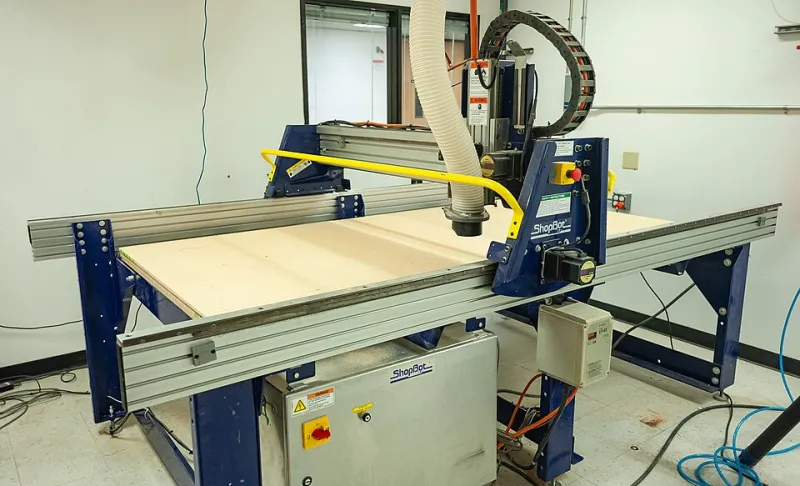
Photo: Rickwashburn1, CC BY-SA 4.0, via Wikimedia Commons
Procurement teams in the US aerospace and industrial sectors are thorough about the visible risks. We tour the floor. We count the CNCs. We ask for ISO 9001 and AS9100 certificates, review CMM capabilities, and interrogate the quality manual line by line. What we almost never do is ask the one question that has quietly killed more mid-run programs than any scrapes, delays, or engineering changes combined: can this shop stay solvent for the life of our contract?
A supplier that files for Chapter 11 in month fourteen of a three-year agreement doesn't just disrupt delivery — it strands your tooling, your material inventory, and your first-article data inside a bankruptcy estate. Recovering any of it takes months and legal fees. The failure mode is entirely predictable, which means it's largely preventable.
Why Financial Distress Shows Up on the Floor First
A shop under financial pressure rarely announces it. Instead, the symptoms surface in the places buyers already have visibility — if they know what to look for.
Shrinking spindle utilization. A healthy precision shop runs its machines hard. If your site visits show an increasing number of idle CNCs, or if the same machines are dark on consecutive visits, ask why. Underutilization often means the backlog has thinned, which sounds like good news for your lead times but may signal cash problems that will eventually force layoffs of the very machinists your parts depend on.
Deferred capital equipment. Machine tools depreciate on a schedule; capability degrades on a different one. If a shop hasn't added a new machine, upgraded its CAM seats, or refreshed its inspection equipment in five or more years despite growing revenue, it may be diverting capital to cover operating losses. Eventually the bill comes due — either in capability or in insolvency.
Turnover in the wrong places. Every shop has churn at the entry level. But when your lead estimator, quality manager, or program manager departs in quick succession, that's often the talent reading the same balance sheet you haven't been shown.
Payment behavior. Here's the tell most buyers miss: how the shop pays its own suppliers. A machine shop stretching tooling vendors to 90 or 120 days, or suddenly requesting material deposits from customers it previously netted, is telling you its working capital is exhausted.
A Practical Financial Vetting Checklist
You don't need to be a credit analyst to screen a machining partner. You need to ask, and to treat evasive answers as data.
-
Request a credit reference or D&B report. Most established shops will share a PAYDEX score or equivalent. A serious delinquency pattern with suppliers is a red flag regardless of how impressive the equipment list looks.
-
Ask about customer concentration. If a single program accounts for more than 40% of a shop's revenue, your contract may be healthy only as long as someone else's is. Diversified customer bases are more resilient to program cancellations — including yours.
-
Verify insurance and bonding continuity. Lapsed or downgraded coverage often precedes formal distress by a year or more.
-
Ask how the shop would handle a material price spike or a 60-day payment term from you. A shop with real liquidity will describe specific mechanisms — credit lines, staged purchasing. A shop that answers vaguely is telling you it runs on incoming invoices.
-
Re-verify annually, not just at qualification. Financial health is a moving target. Build a light-touch annual review into your supplier management process, tied to your existing performance reviews.
The Case for Paying Attention Before the RFQ
There's an uncomfortable irony in modern procurement: buyers will negotiate a 2% discount that saves $40,000 a year, then award that contract to a shop one missed payroll away from closure — an event that costs multiples of those savings in requalification, expedited freight, and program delay.
Financial due diligence isn't adversarial. Good shops respect it, and the best ones volunteer the information because they understand that a stable supplier is part of the value proposition. In precision machining, the tightest tolerance in the world is worthless if the shop holding it isn't there next quarter. Vet the balance sheet like you vet the equipment — because your supply chain already depends on both.