Reading the Floor: What a Plant Tour Actually Tells You About Your Lead Time
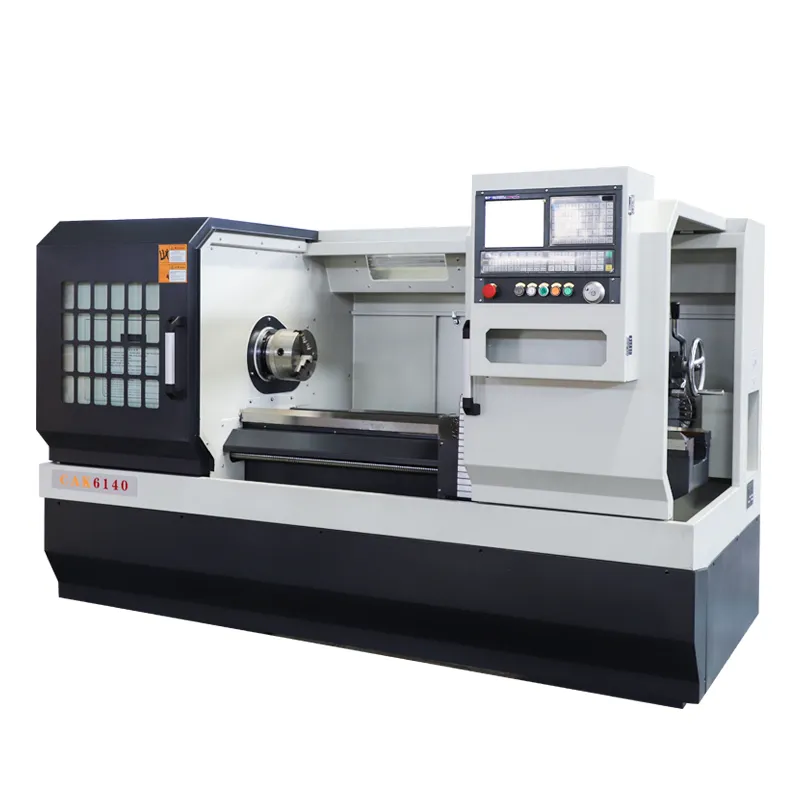
Photo: Zhejiang Balford Mechatronics Co., Ltd., CC BY-SA 4.0, via Wikimedia Commons
Most plant tours are choreographed. The sales engineer walks you along the same route every visitor sees, past the newest machines and the tidiest benches, and the conversation stays safely on certifications and capacity claims. For a procurement team under pressure to qualify suppliers, that's a missed opportunity. The floor itself — if you know what to look at — will tell you more about your future lead times than any capability deck.
What follows is a practical observation framework. None of it requires engineering credentials. All of it requires about forty-five minutes and the willingness to look past the tour route.
WIP Is a Diary of the Shop's Real Capacity
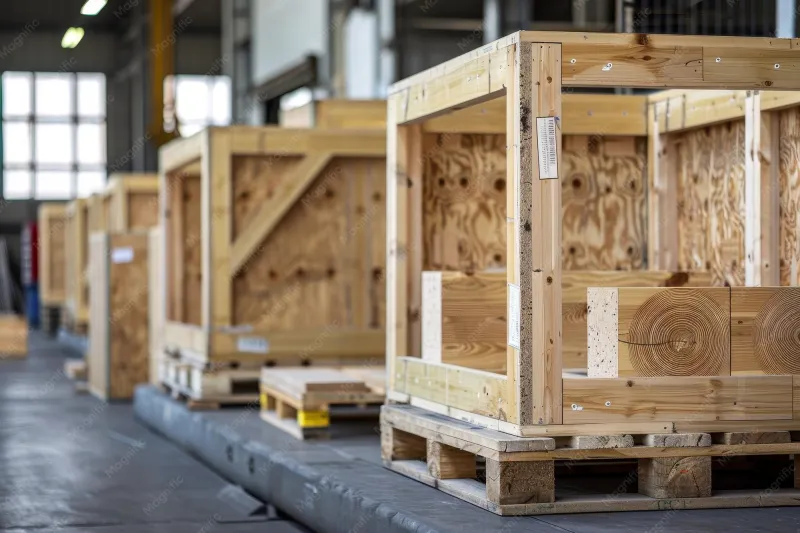
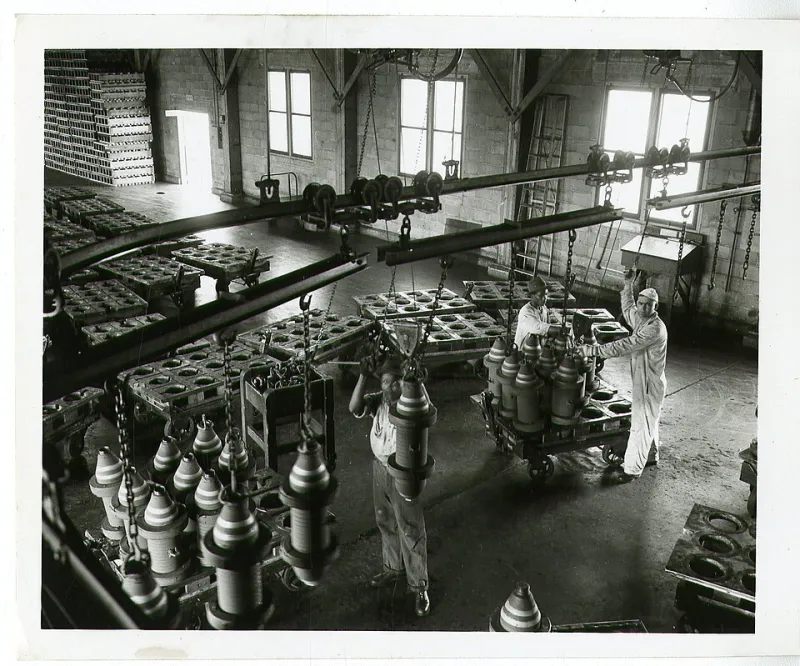
Ask to see the work-in-progress racks, not the finished-goods area. A healthy shop shows a steady, flowing inventory of jobs in process — material staged, some parts partially complete, nothing buried under dust. A shop drowning in WIP is telling you something important: jobs are entering the building faster than they're exiting it. Every one of those stalled orders is somebody's promised delivery date, and some of them may look a lot like yours.
The useful detail is age. Parts sitting with completed features but no movement often indicate a bottleneck downstream — inspection, deburr, or a waiting subcontractor. If you can politely ask how long a visible job has been in queue, the answer (or the hesitation) is data.
The Tool Crib Doesn't Lie
Tooling organization is one of the most reliable proxies for shop discipline. Look for:
- Labeled, segregated tool holders with identifiable owners or jobs
- Calibration tags on measuring instruments that are current, not expired
- A documented regrind or replacement cycle, even a simple whiteboard version
A chaotic tool crib doesn't just suggest disorganization — it predicts setup delays. Every minute a machinist spends hunting for an end mill or discovering a dull tool mid-cycle is a minute added to your job, invisibly, on every order.
Setup Sheets: The Paper Trail of Repeatability
If the shop runs repeat work — and most do — ask to see an example setup sheet or job traveler (redacted as needed). You're looking for evidence that process knowledge is written down: workholding notes, tool lists, probe routines, inspection checkpoints. A shop that rebuilds every setup from memory is a shop whose second-order lead time will never match its first. That variance shows up later as quoted lead times that quietly drift from four weeks to seven.
Shift Density and the Friday Test
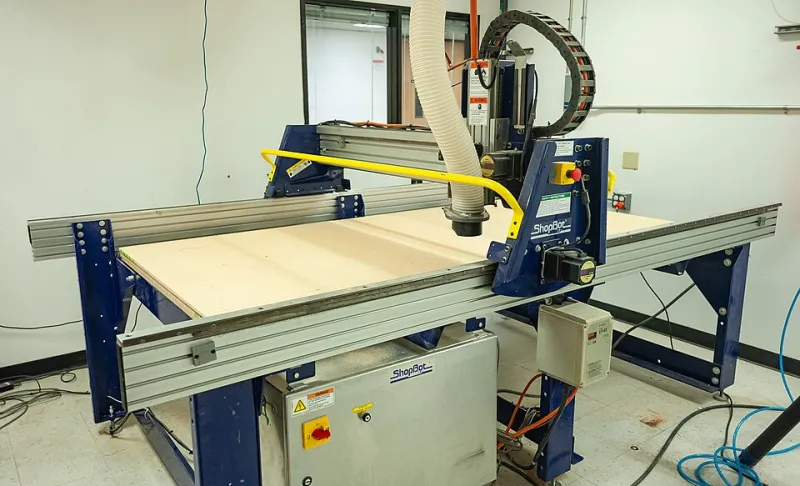
Capacity claims deserve arithmetic. A shop advertising twenty CNC machines means little if half run a single shift with gaps. Observe how many spindles are actually turning during your visit, and ask directly about second-shift staffing. One US Midwest buyer we know schedules tours for Friday afternoons deliberately: shops that are still running clean at 2 PM on a Friday are shops with real throughput discipline.
People Signals
Notice who talks to you. In strong shops, machinists make eye contact and keep working; supervisors answer specific questions with specifics. In struggling shops, employees glance at management before speaking, and answers stay general. High turnover — evident from a wall of recent job postings or an unfamiliar face every visit — correlates strongly with inconsistent quality and slipping schedules.
Turning Observation Into a Forecast
Score each area on a simple three-point scale: disciplined, inconsistent, or concerning. Five or more "disciplined" scores generally predict reliable quoted lead times. Three or more "concerning" scores should trigger a deeper dive — or a second-source qualification — before you commit a multi-year program.
The goal isn't to catch a supplier doing something wrong. It's to walk out of the building with a grounded, evidence-based view of whether the date on the next quote is a commitment or a wish. Shops with nothing to hide will usually welcome the scrutiny. That, too, is a signal.